What Grows After the Fire
In Cape Town, the waves crashed with such force that the sound became its own being. I still can't fully describe it. I could hear everything else: the seagulls, people talking nearby. Nothing was drowned out. But the ocean's noise beckoned to be heard. As I stood there, I wondered whether it was calling out because of stories left untold, stories only the Atlantic can carry: what had crossed it, what had been lost to it, what it had witnessed that could never be recovered.
It was my first time on the African continent. I had come to Cape Town in September with my fellow founders for the Echoing Green New Fellows Retreat, and I came carrying dichotomies: excited and not, grateful and sad. This year I lost my mother and my grandmother, within six months of each other. When I got there, I said, Look, Mom. Look where I've made it. Look where I am.
I suspect I should be very sad at this moment in my life. I should 100% dive into black lace and a veil with a long train, and lean into becoming the hidden villain of my own story. I'd have every right to. But I am determined, while I still have life to live, to carry the essence of who I am into every room, with every being, every person, every minute. And to name the thing, because so often we never name the thing. I am still trying to find the language for what this trip meant to me, and I may be for a very long time. Most of what follows I first wrote by hand, in the hand-stitched suede journal I write in most mornings, and I am copying it here knowing that not everything survives the translation from page to screen.
I was among people with whom I almost certainly share some distant ancestral connection, though the ancestors I wonder about most likely left from West or Central Africa, far from the Cape. Still, somewhere, our histories meet. I kept wondering what those who came before me knew of this land, what was carried forward, what was lost, and what, if anything, still echoes.
I noticed the soil first. I love the texture of it between my fingers, its color, its depth, its possibilities. In Cape Town I found myself studying the land almost as closely as I studied the people: the fields, the fynbos, Table Mountain rising above the waterfront. There was so much beauty, and so much history.
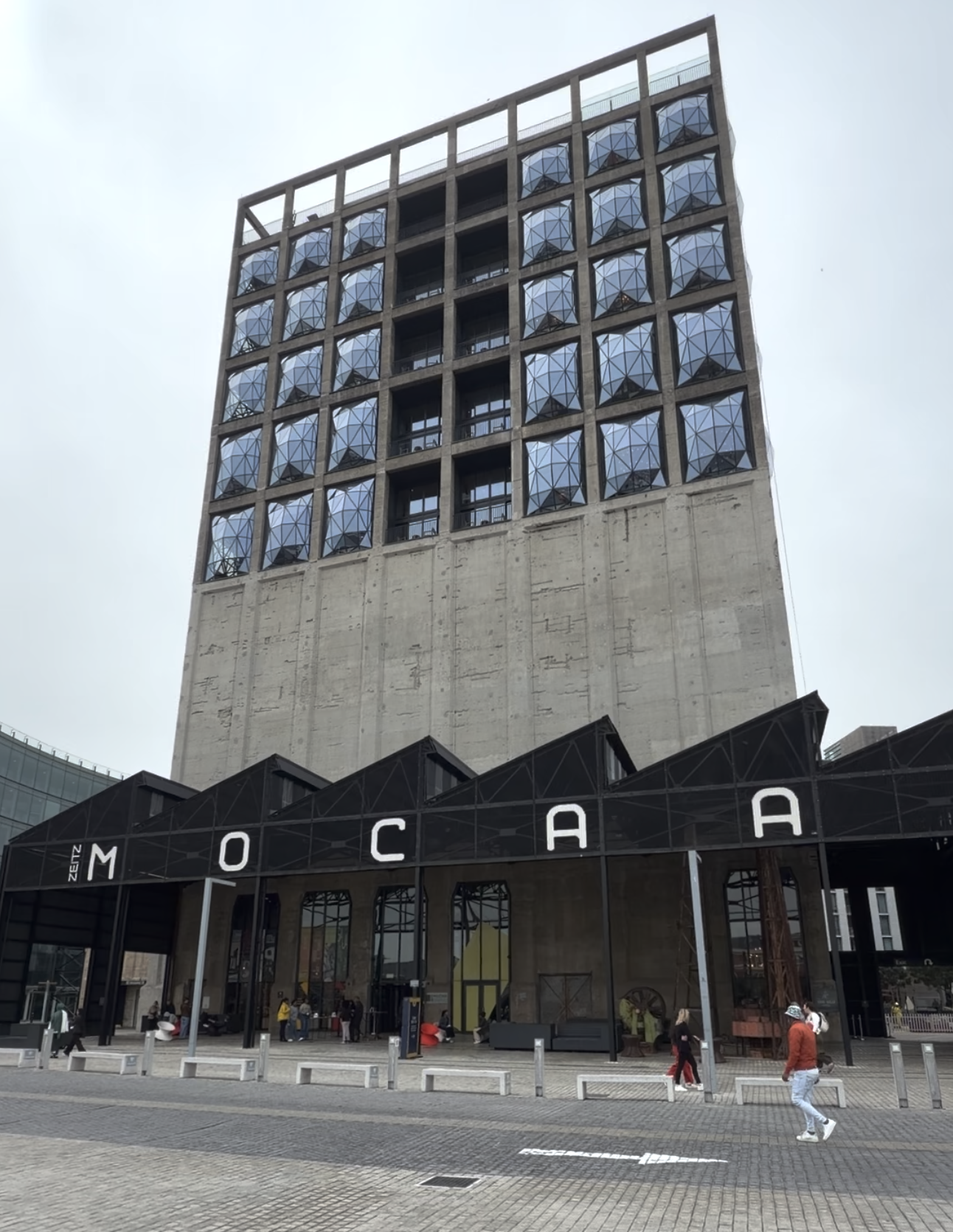
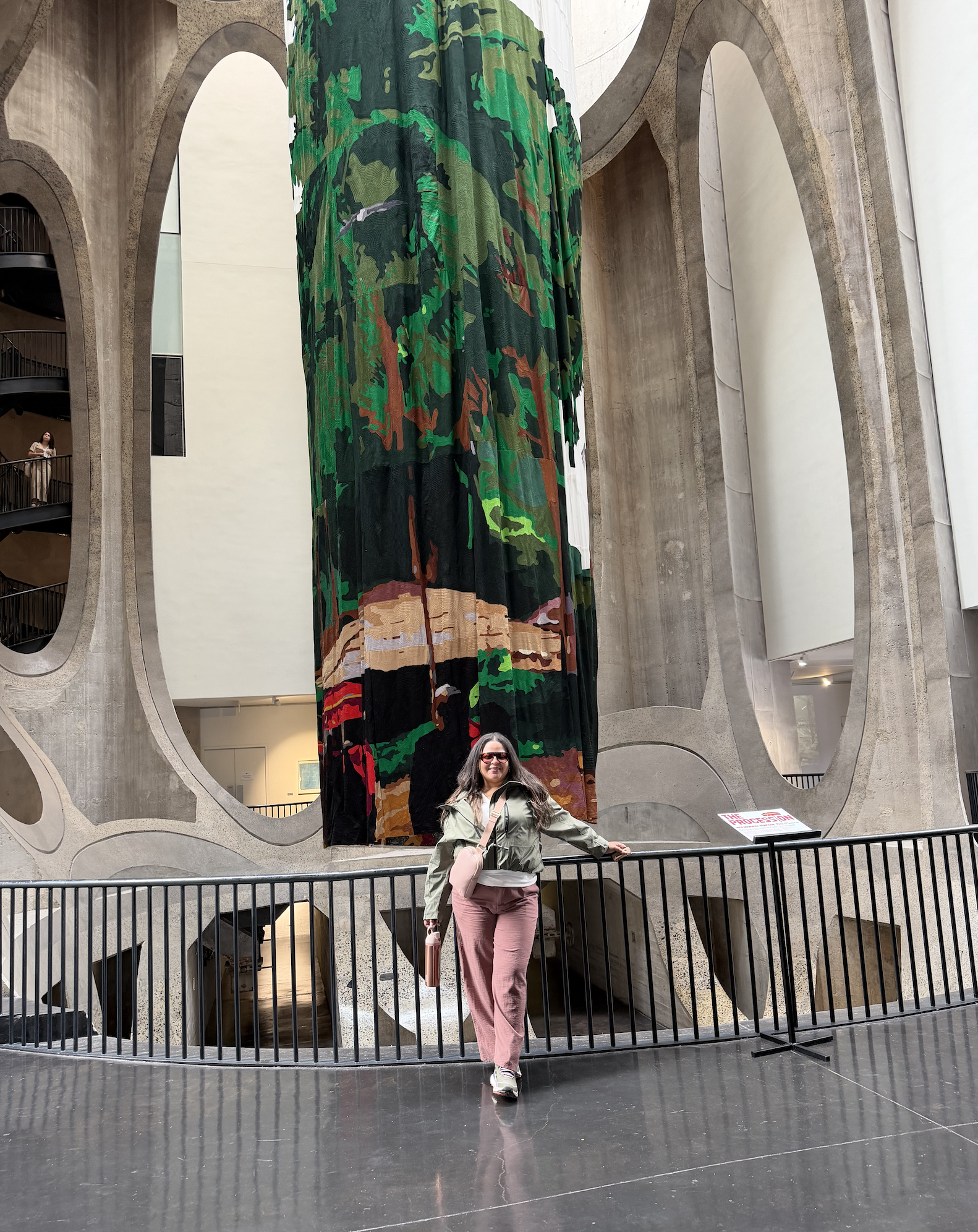
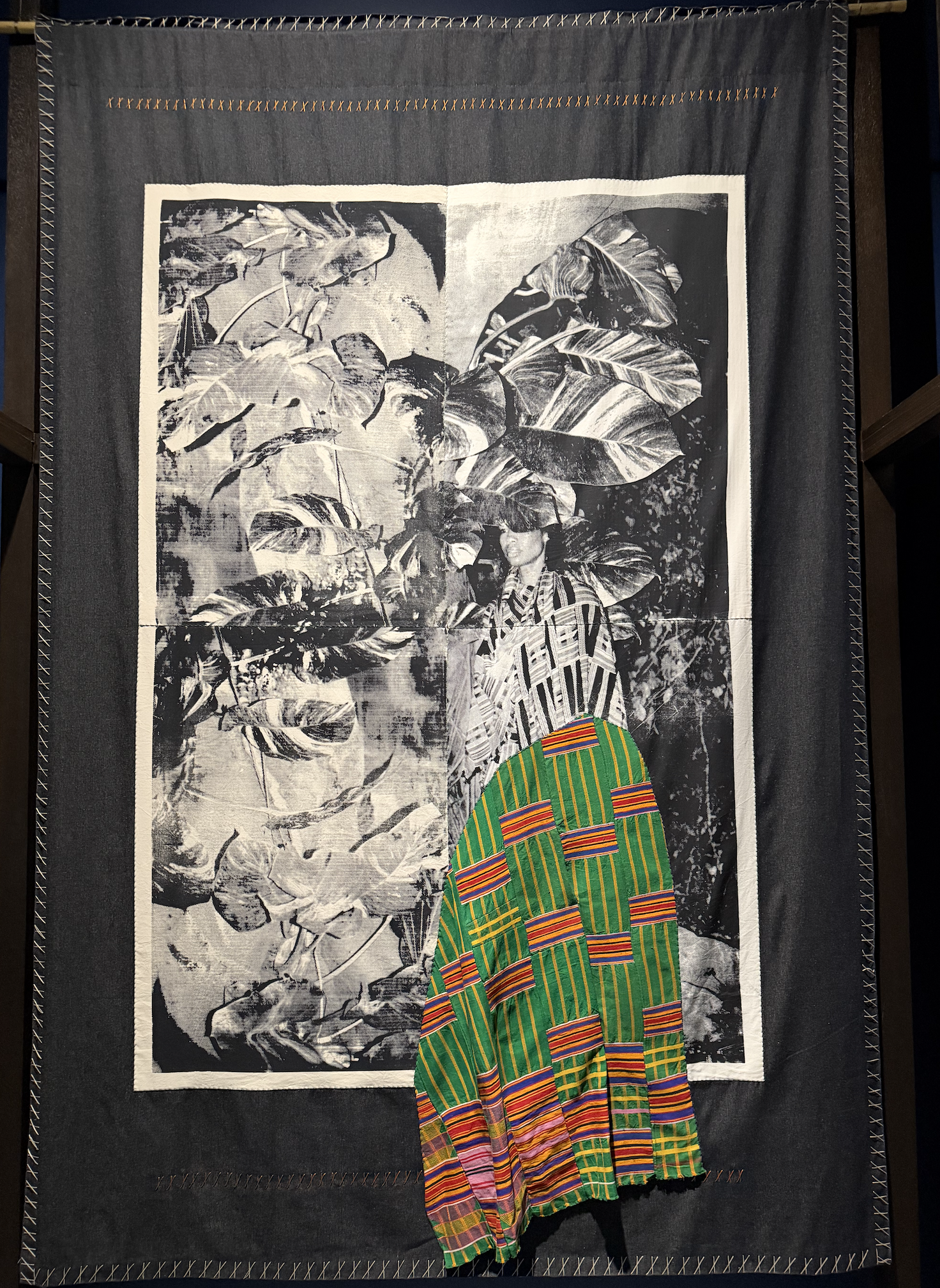
Before the retreat, I spent two days alone. Wondering. Being nowhere and everywhere, with Table Mountain's reassuring presence always somewhere above me. I had hoped to visit Robben Island, but the weather changed too suddenly. I went to the Zeitz Museum of Contemporary Art Africa instead, and as I walked through it I was overwhelmed by how many of the artists on its walls were Californians, connected to this continent through the African diaspora. I had traveled halfway around the world and found my own state there, joined to this place by the same long history I had come wondering about.
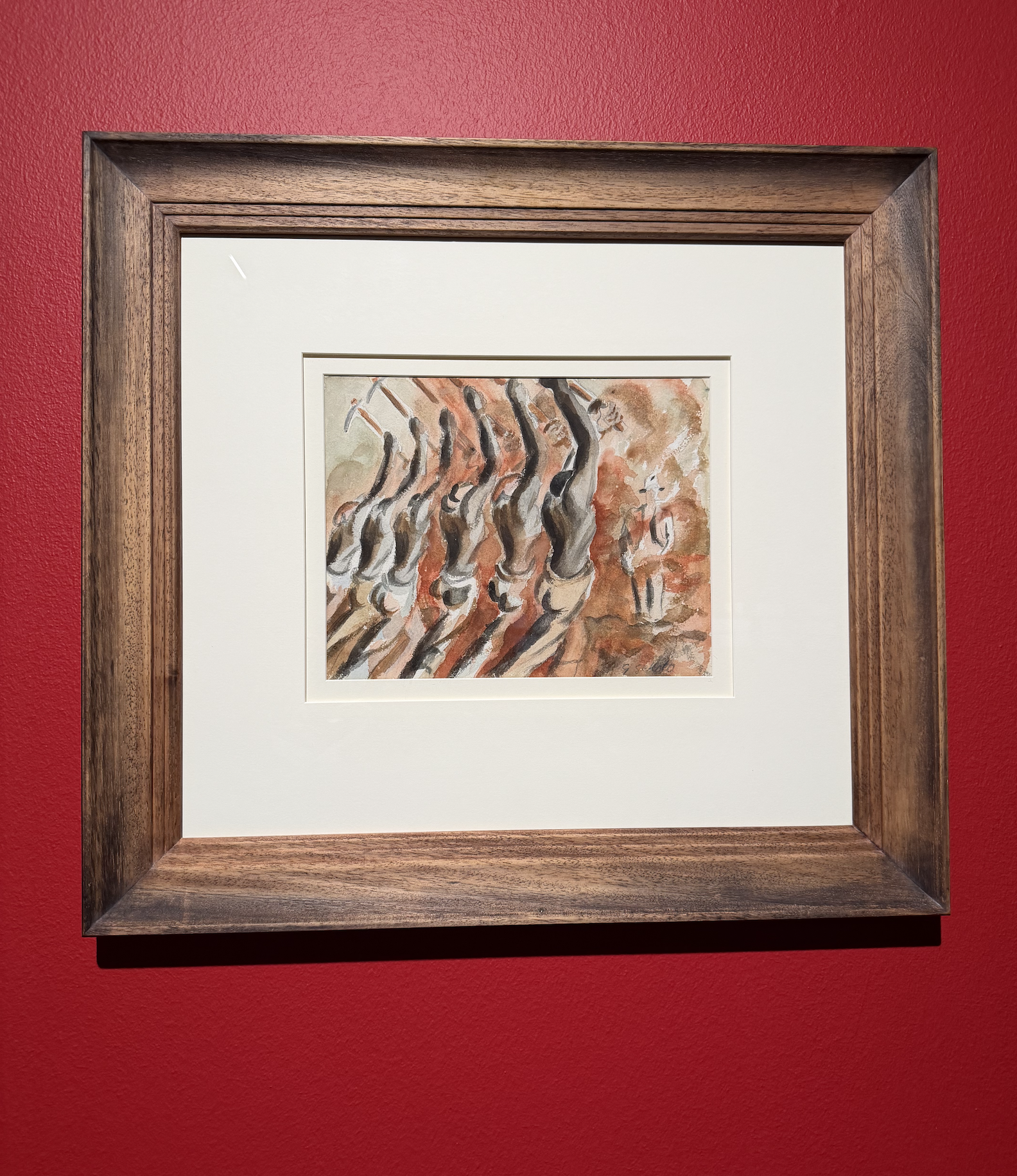
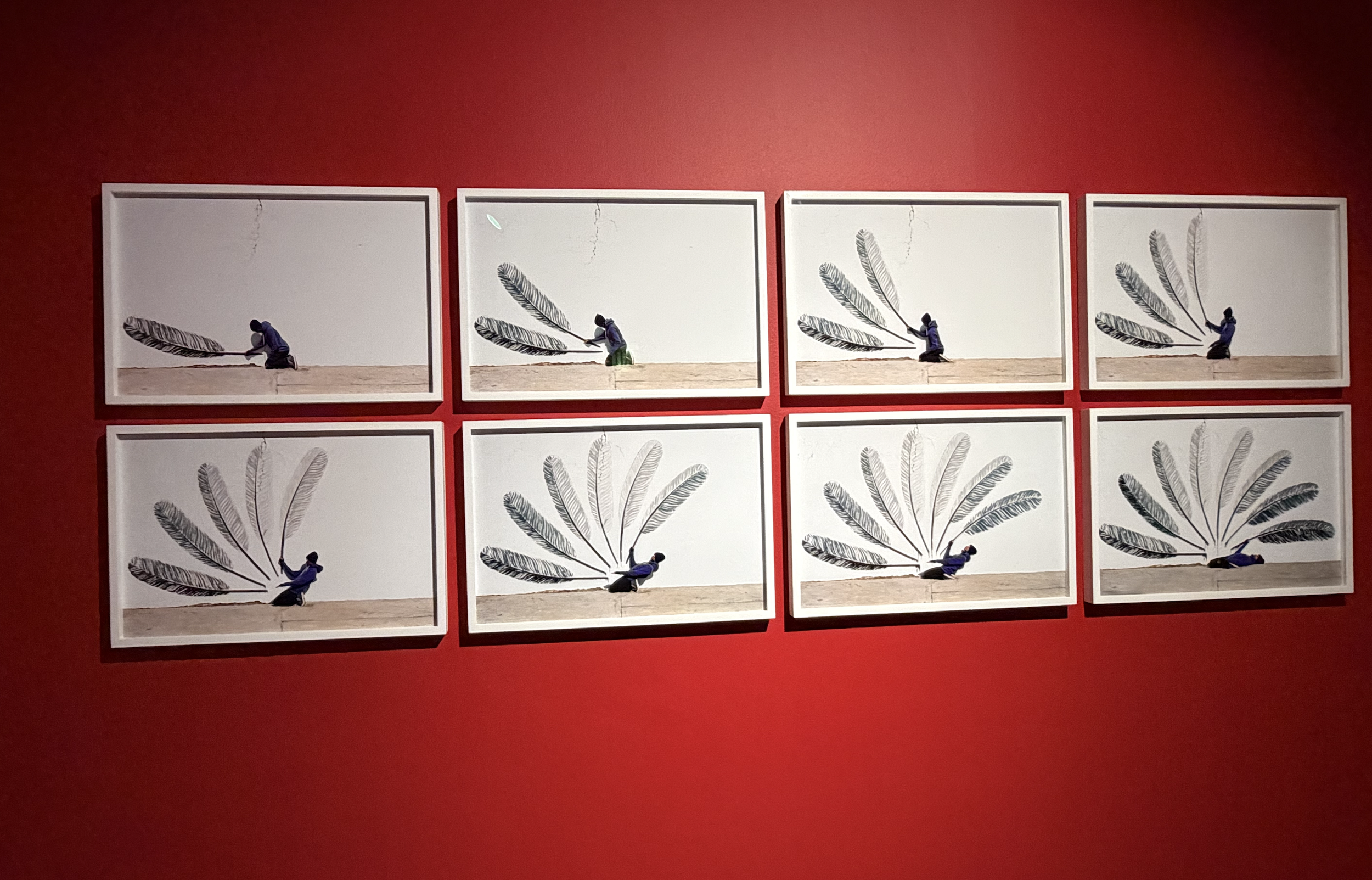
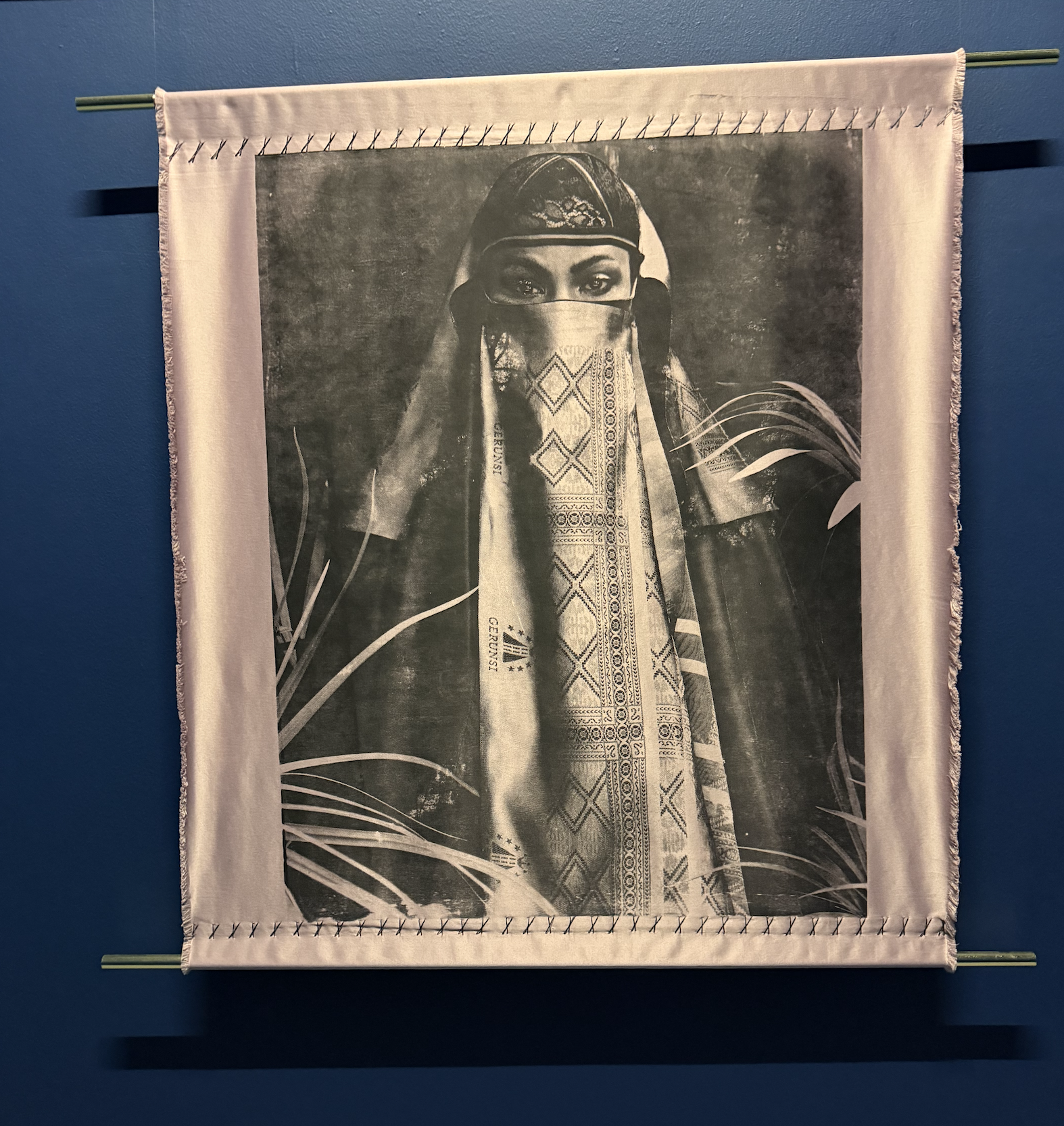
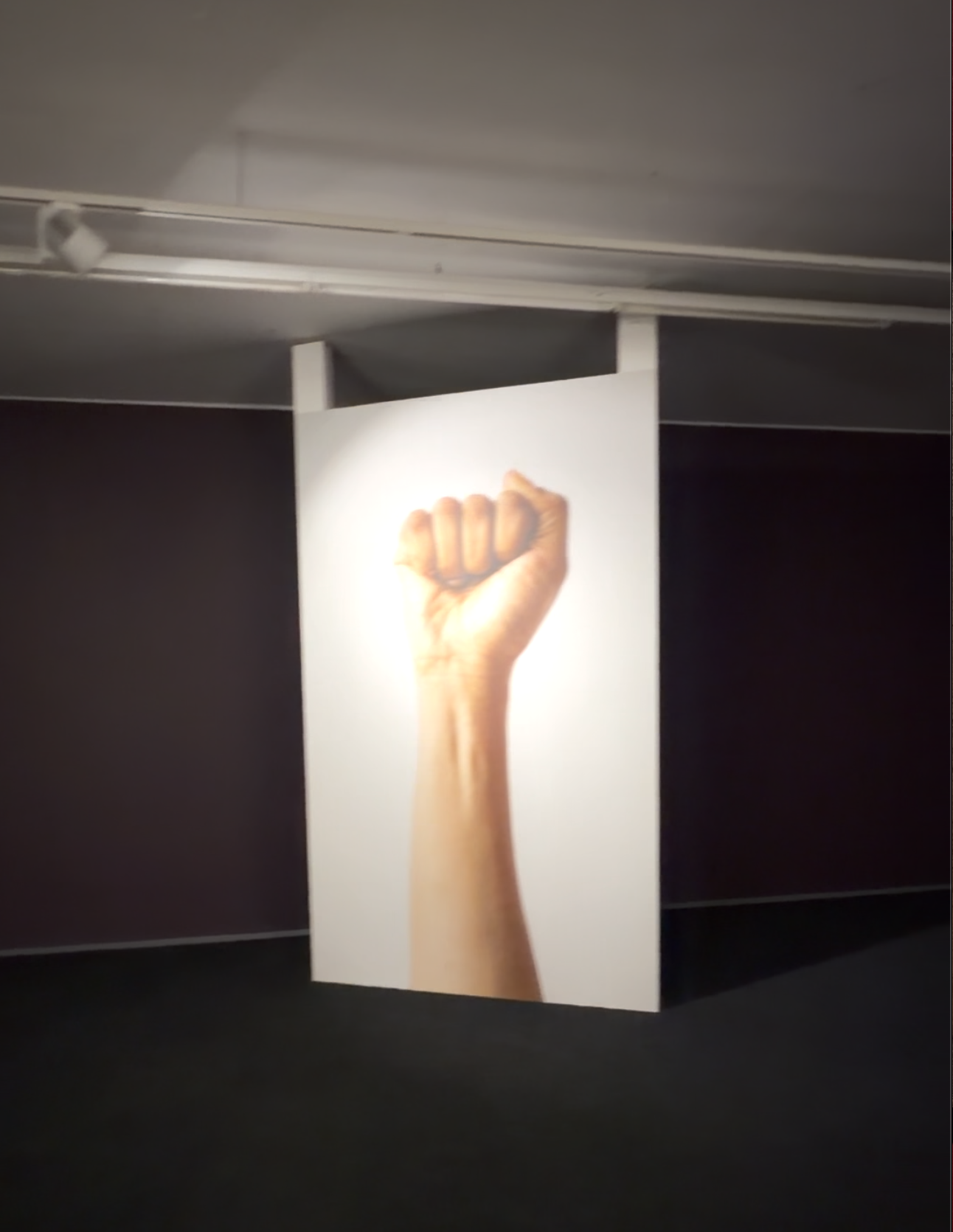
After two days on my own, I joined my Echoing Green cohort, and we traveled together to Bodhi Khaya Nature Retreat, about two and a half hours from Cape Town near Stanford in the Overberg, on an old farm ringed by mountains and fynbos. Some of the Cape Town fellows drove all that way to share their stories and hear ours. We were founders working on water access, mental health, disability, education, and prosthetics for amputees affected by the violence in Palestine, and behind every one of those organizations was a person who had decided what they were unwilling to accept.
Our guide spoke plainly about the land's history, about colonizers, and about things brought over from Britain, a medicinal herb among them. The retreat's founder is described as the custodian of the land, and I keep wondering on whose behalf.
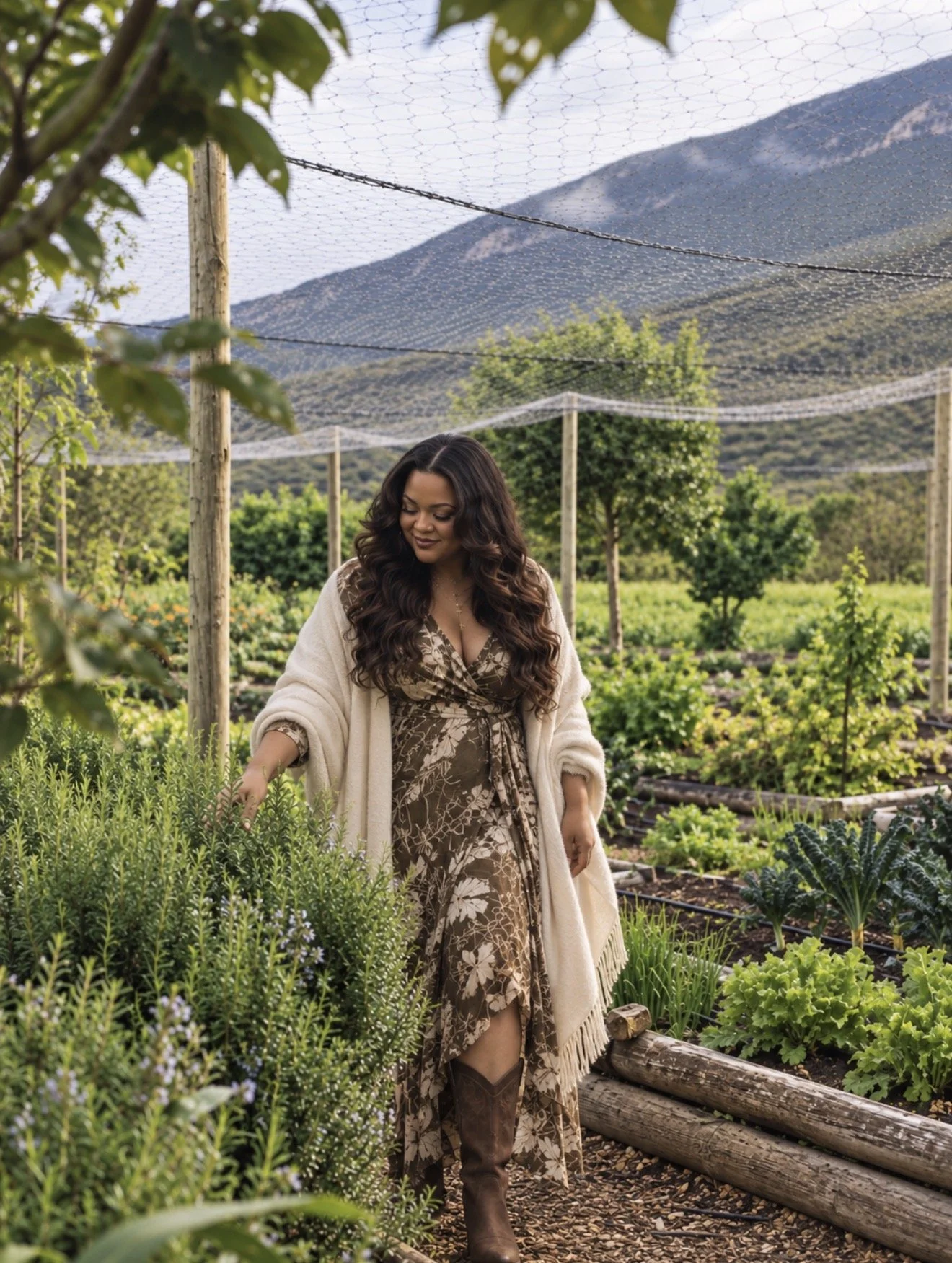
When I walked into the garden, I felt loved and looked after. The beds were well tended, well cared for, and systematically sown. I am not a chaos gardener, and seeing those orderly rows made me quietly happy. Kale was still growing. There was chamomile and several kinds of mint, there were brassicas, and there were small lettuces I would have thought were out of season, until I remembered that their seasons run opposite to mine and that the air there held more moisture. These were the plants I grow at home. The soil was dark and loamy, mixed with sand, the very blend I work to build in my own beds. I don't know whether it formed that way or someone made it, but I felt a kinship with whoever tends that ground.
For a moment it felt like a welcome. Only later did I wonder how those plants, and I, came to be at home in both places. Kale, chamomile, and mint traveled the world with settlers, and they grow in my garden and in that one for some of the same reasons. The Western Cape even shares the kind of climate I garden in at home. The familiarity I felt was real, and so is the history that made it possible. I don't need to choose between them.
Later, I walked barefoot toward the area where our group had gathered for the sauna, and suddenly I felt what I can only describe as an electrical surge moving through me. A jolt. A knowing. I was standing on African soil for the first time in my life, soil I had studied and recognized and wondered about, and something about that moment felt different from anything I had experienced before.
I cannot tell you what it was. I cannot establish a direct connection between that sensation and the generations who came before me, and I know the ground beneath me carries a complicated history of its own. But I know what I felt. I have learned that not every meaningful experience arrives with an explanation. Some things are felt long before they can be understood.
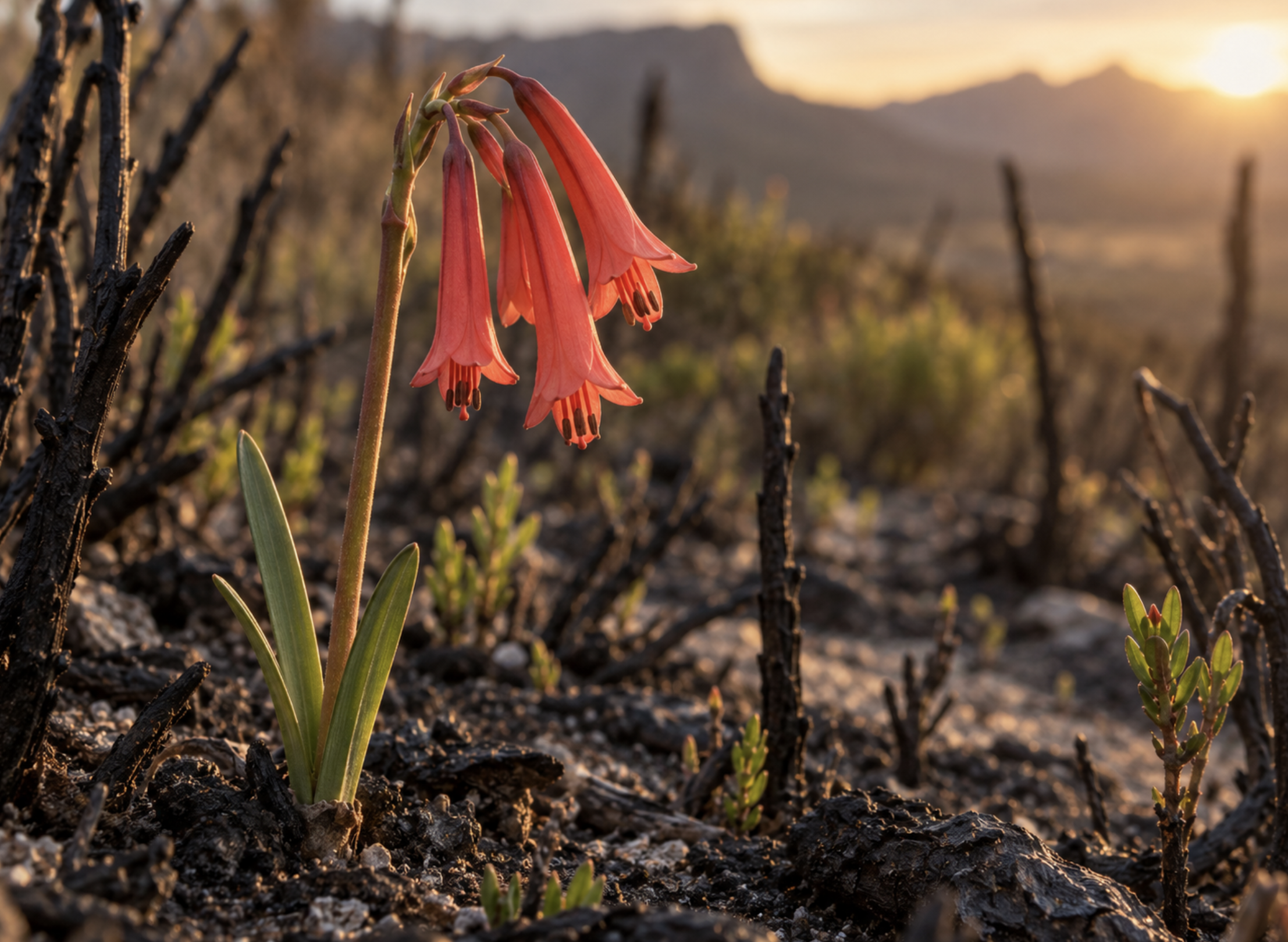
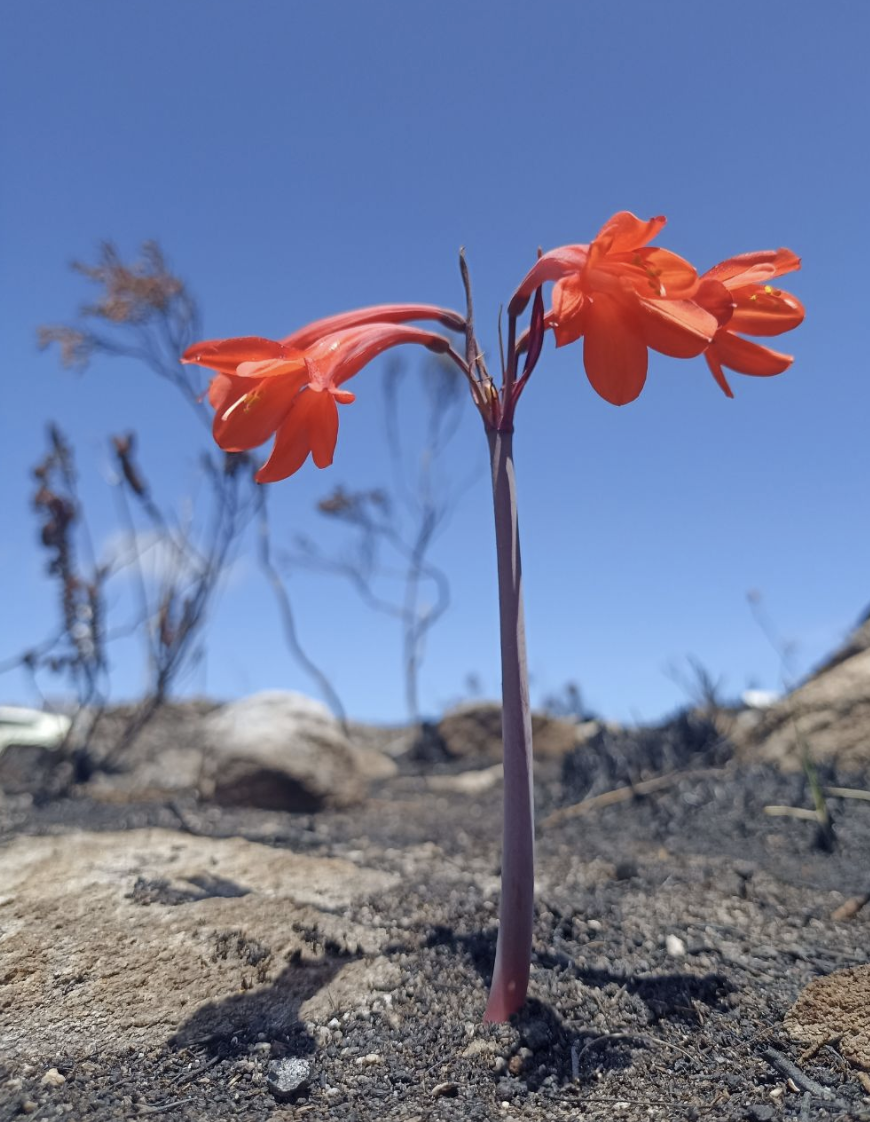
At some point during our time together, we adopted the fire lily as a symbol for ourselves as founders. Not just any fire lily, but one in particular: Cyrtanthus ventricosus, which Afrikaans speakers call the brandlelie. It grows only in the fynbos of the Cape's mountains, and it depends entirely on fire to flower. When fire passes over the land, the smoke wakes it, and about nine days later salmon-to-scarlet blooms rise out of the scorched ground. Measuring between 10 and 25cm, these intricate flowers typically start blooming nine days after a fire and remain open for five to six days. Then the plant goes quiet again, sometimes for fifteen years or more, until the next fire. I kept
How much of what we are made of remains unknown to us until after the fire? How many parts of ourselves lie dormant, waiting for conditions we cannot anticipate? And what fires are still ahead of us?
Perhaps this is another way to understand being alive.
Not as a succession of hardships to overcome, but as an experience that asks us to make room for all of it. Grief, joy, love, loss, uncertainty, and the extraordinary ordinariness of living. I am beginning to wonder whether I can anticipate life with something other than fear, knowing that whatever comes will become part of my story. Not because everything happens for a reason, or because suffering is necessary for growth, but because none of us gets to live only the beautiful parts. And I wouldn't want to miss the beauty while bracing for the difficult ones.
What stays with me about the fire lily is that its capacity to bloom exists long before the fire arrives. The fire does not give it that capacity. It changes the conditions under which something already present can emerge. I wonder what lives within us that we have yet to discover.
This year has been a fire in my own life. I think of standing at the edge of the Atlantic, telling my mother to look. I think of the jolt that moved through my feet at Bodhi Khaya, and the strange feeling that my body recognized something my mind had not yet understood. I don't know what will grow from this year. But what surprises me is how much joy I feel alongside the grief. I feel almost impossibly clear, full of stubborn hope, curious about what comes next. Not because I believe the difficult parts are behind me, but because I am beginning to see that they need not eclipse everything else.
I went to Africa with a mind trained to study systems. I found myself trying to listen with my whole body. I came home still listening, and perhaps a little more willing to embrace the fullness of being alive. I cannot predict the next fire, but I can tend to what is growing now.